

- Difficulty: Difficult. Rugged & unmaintained. Challenging navigation. Moderate hills (elevation profile.)
- Facilities: None.
- Signage: Sparse.
- Features: 2-3 hour return trip. Connects to a broader range of trails in the Kearney Lake trail system. A rewarding urban wilderness adventure for experienced hikers. Plenty of great stopping points and scenery throughout.
Trail Map
📍 Live GPS: Open in Google Maps | How-To Guide
Blue Mountain-Birch Cove Lakes Wilderness

An elevation gain of 84m on the rocky uneven terrain ensures a good hill climbing workout for your core and guaranteed thigh and butt burn (view the elevation profile by clicking here). Periodic stone steps and footbridges make the hill-climbing more enjoyable. The trail is quite dry for the most part, but good footwear with ankle support is a must.
🌲 Tread Lightly: Unmaintained Wilderness
There are zero facilities or trail crews here. Protect this fragile environment by following the 7 Principles of Leave No Trace:
- 1. Plan Ahead: There is no on-site signage. Download and print maps (GPX) beforehand and prepare for sudden weather changes.
- 2. Travel on Durable Surfaces: Disperse your impact. Walk on bare rock, dry ground, or deep snow to avoid trampling fragile bogs, moss, and vegetation.
- 3. Dispose of Waste Properly: Pack out absolutely everything, including organic food scraps. If it is safe to do so, please help leave the wilderness better than you found it by packing out any existing litter you come across.
- 4. Leave What You Find: Leave stones, plants and all other natural objects in their original place and condition. Prevent the spread of invasive species by removing mud and debris from shoes, clothing and equipment before hitting the trail.
- 5. Minimize Campfire Impacts: Opt for a portable stove instead of making a fire, and always verify local regulations as open fires may be prohibited. If a fire is necessary and legally permitted, do not create new fire rings and ensure it is thoroughly extinguished. If you see an active, out-of-control fire or an illegal campfire during a strict ban, call 911 immediately. For non-emergency illegal burning or rule violations, call the provincial reporting line at 1-800-565-2224.
- 6. Respect Wildlife: Observe from a distance. Never feed wild animals, and store all food and scented items securely.
- 7. Be Considerate: Let the sounds of nature prevail. Avoid excessive noise and yield to others navigating the terrain.
Parking & Trail Access
The best parking is a large gravel parking area adjacent to Maskwa Aquatic Club. This land is leased by Maskwa and it’s due to their kindness that you can park here. Their land is leased purely for the purpose of running a paddling club and they do not maintain the trailhead or have anything to do with people hiking here. Do Maskwa a favour in return by packing out what you pack in. Do not use Maskwa’s designated parking or block access to their property in any way. Keep in mind that the drive into Maskwa passes by a municipal beach and playground with children running around. Saskatoon Drive is a quiet neighbourhood with children, so keep speeds very low on your way in and out from Kearney Lake Road.
A second way to access this area is via the end of Colins Road. This quiet cul-de-sac has limited parking and can often be overflowing with cars during peak times. For a period of time, the NS government forced Maskwa to disallow access, making Colins Rd. even busier. Make sure not to block driveways, keep noise levels to a minimum, and pack out what you pack in as there is no garbage collection. Colins Rd. is typically used for easy access to Hobsons Lake, but both access points are equally fine starting points to explore this area should one be overly full of cars.
Until this wilderness park comes to fruition, access will continue to be limited. The jumble of trails can’t be improved until the park is created from its current patchwork of land ownership, so be sure to keep the pressure on our local governments to fulfill their decades-long promise to create it. As I said previously, the best way to do so is to become a (free) member of the Friends Of Blue Mountain-Birch Cove Lakes Wilderness Society.
Stunning Views
There are lots of great spots to stop and enjoy the view. “Coyote Bog,” “John’s Lunch,” and the “Fox Lake Lookoff” are marked by signs. Continuing down to the lake, you’ll have more delightful scenery and good access to the water. I always pack my pouch couch for this trail to indulge myself in the views.
For pure, authentic nature, it is very tough to beat the views you’ll encounter on this trail. It’s rare to find an unscathed forest with #old-growth trees in an urban area like this. With its abundant biodiversity, it’s an excellent place for photography. You don’t need to be a professional to come away with shots that are sure to stand out on any social media feed.
Photos
View more in my full Fox Lake photo gallery.





360° Virtual Tour
#BMBCL feed on Instagram
Nature & Wildlife
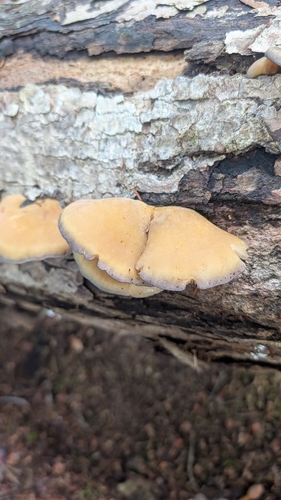
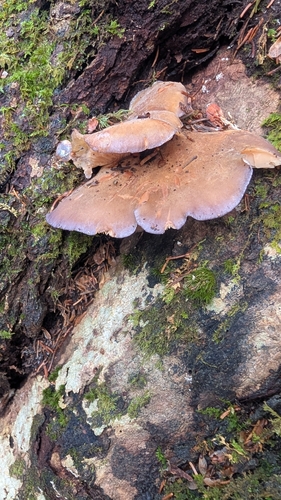
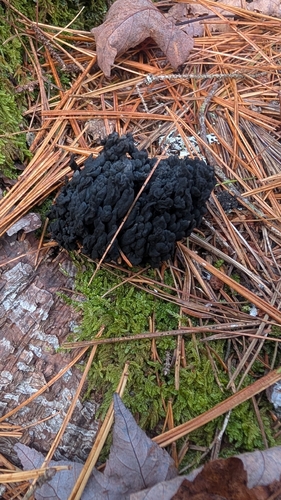
Despite its proximity to urban Halifax, the Blue Mountain-Birch Cove Lakes Wilderness Area is a thriving ecosystem that offers a genuine backcountry experience. The varied ecosystems, from sun-drenched granite barrens to deep, shaded ravines, support a stunning array of Acadian forest flora. As you weave through mature stands of Eastern Hemlock, Red Spruce, and Yellow Birch, keep an eye on the forest floor for vibrant Pink Lady’s Slippers, translucent ghost pipes, and dense, spongy carpets of sphagnum moss lining the wetland bogs. The area’s ancient deadwood and erratic boulders are also a haven for resilient lichens and striking fungi, like the Northern Red Belt, which thrive in the damp microclimates near the lakes.
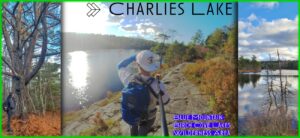
This sprawling, rugged habitat is also a vibrant sanctuary for over 150 bird species and a surprisingly diverse mammalian population. Your hike will be soundtracked by birds, like the drumming of Pileated Woodpeckers, the hoots of Barred Owls, or the haunting, echoing calls of Common Loons drifting across Charlies or Fox Lake. For the sharp-eyed explorer, the trail frequently yields sightings of white-tailed deer, snowshoe hares, and the telltale chewed bark of beavers actively reshaping the local waterways. If you’re incredibly lucky (and quiet), you might even spot the tracks of the elusive bobcats, coyotes or bears that stealthily share this urban wilderness.
Recent Community Sightings
Live wildlife and plant observations logged along this route:
Spot something interesting while out on the trail?
View & Log SightingsFuture Wilderness Park
Plans spearheaded by volunteer organizations, including the newly formed “Friends of Blue Mountain-Birch Cove Lakes,” will hopefully turn this trail system into a world-class outdoor recreation area in the near future. Creating North America’s largest urban wilderness park in the Blue Mountain-Birch Cove Lakes Wilderness Area has long been a goal that is now rapidly gaining steam (add your support).
Trip Tips
The trails can be icy, muddy, bone-dry and everything in between, depending on the season and the recent weather. Expect to hike up an incline at some point on almost every trail, and have your balance tested when trying to avoid muddy patches or making difficult crossings. You’ll want to wear sturdy waterproof footwear, pack a first aid kit and basic survival gear for all wilderness trips. Bugs are worst in Spring and early Summer, and ticks exist throughout Nova Scotia for much of the year, so bring your favourite form of bug defence.
Looking for a fun, outdoor adventure to complete with family and friends at Kearney Lake? Try “The Stolen Seed Caper” to become a Kearney Lake Nature Patrol and solve the mystery of the stolen seeds. The step-by-step instructions for this 1.2 km (return) trail adventure and a route map can be downloaded at earthadventures.ca. The approximate time to complete the adventure is 1 hour and 15 minutes.
Gear up for shorter daylight, crisp coastal winds, and muddy paths while supporting local.
 Browse Fall Essentials
Verified Trail Maps • Local Guidebooks • Field Gear ↓
Featured Products
Purchases help fund these guides