
- Difficulty: Moderate (rugged terrain)
- Setting: Coastal barrens, lighthouse, nature reserve.
- Facilities: None.
- Signage: None.
- Features: Iconic Nova Scotia coastal beauty with lighthouse and foghorn navigation aids for ships entering Halifax Harbour. Access road now closed (must park before, but not block, the gate). Part of the larger, Duncan’s Cove Nature Reserve (tread lightly, & leave no trace).
- Biodiversity: Windswept peninsula featuring a hardy, beautiful ecosystem of stunted evergreens, coastal heath, and sheer granite cliffs that provide a high vantage point for observing marine life.
Trail Map
📍 Live GPS: Open in Google Maps | How-To Guide
Chebucto Head
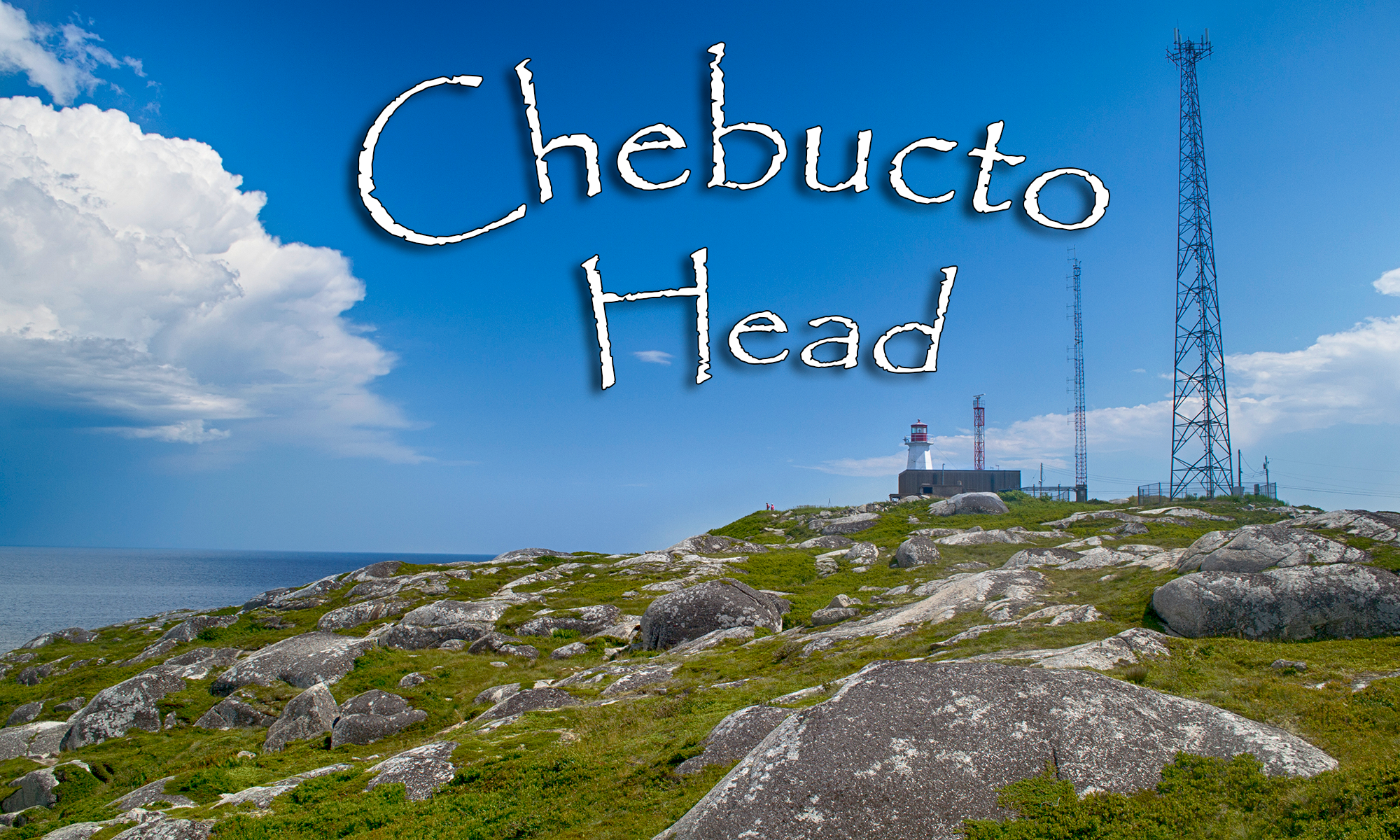
A half-hour drive from Halifax lies a lesser-known lighthouse and coastal view. Chebucto Head offers many of the same features as Peggy’s Cove, but with much less tourist traffic, and far less friendly access (the access road was left in disrepair and you now must park at the gate). It is also part of the larger 370-hectare Duncan’s Cove nature reserve.
Just beyond the mouth of Halifax Harbor, Chebucto Head has a broad view of the open ocean and city of Halifax alike. The lighthouse is perched high atop a steep cliff popular with the local climbing community. The coastal barren landscape combined with the lighthouse makes the area easy to navigate.
🌲 Tread Lightly: Unmaintained Wilderness
There are zero facilities or trail crews here. Protect this fragile environment by following the 7 Principles of Leave No Trace:
- 1. Plan Ahead: There is no on-site signage. Download and print maps (GPX) beforehand and prepare for sudden weather changes.
- 2. Travel on Durable Surfaces: Disperse your impact. Walk on bare rock, dry ground, or deep snow to avoid trampling fragile bogs, moss, and vegetation.
- 3. Dispose of Waste Properly: Pack out absolutely everything, including organic food scraps. If it is safe to do so, please help leave the wilderness better than you found it by packing out any existing litter you come across.
- 4. Leave What You Find: Leave stones, plants and all other natural objects in their original place and condition. Prevent the spread of invasive species by removing mud and debris from shoes, clothing and equipment before hitting the trail.
- 5. Minimize Campfire Impacts: Opt for a portable stove instead of making a fire, and always verify local regulations as open fires may be prohibited. If a fire is necessary and legally permitted, do not create new fire rings and ensure it is thoroughly extinguished. If you see an active, out-of-control fire or an illegal campfire during a strict ban, call 911 immediately. For non-emergency illegal burning or rule violations, call the provincial reporting line at 1-800-565-2224.
- 6. Respect Wildlife: Observe from a distance. Never feed wild animals, and store all food and scented items securely.
- 7. Be Considerate: Let the sounds of nature prevail. Avoid excessive noise and yield to others navigating the terrain.
Photos
To view my full Chebucto Head photo gallery, click here.


360° Virtual Tour
Share Yours!
Share your Chebucto Head photos to the community gallery:
No photos yet. Be the first to share one from this location!
Lighthouse
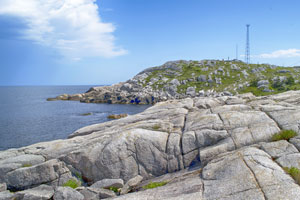 The lighthouse was first lit in 1872 and continues to this day to guide ships on their journey across the Atlantic Ocean. Next to the lighthouse are the remains of a WW2-era concrete fortification which was equipped with searchlights and naval guns. It functioned as a defence of Halifax Harbor from German U-boats and surface raiders. A huge fog horn in the parking lot area still functions (beware the loudest sound you will ever hear).
Halifax Harbour Views
Chebucto Head is an ideal trip for those looking for a pleasant coastal drive and a destination that is off the beaten track. During the day you’ll have a great vantage point to see the busy shipping traffic coming in and out of Halifax Harbour. At night it has a reputation as a lovers lane, but it’s a great spot to see the city lights under the dark, star-gazing sky.
Chebucto Head, as well as the adjacent Duncan’s Cove hiking trail, is part of a large nature reserve, so tread lightly and follow the Leave No Trace principles.
Nature & Wildlife
The landscape at Chebucto Head is defined by its extreme exposure to the open Atlantic Ocean. The relentless winds and heavy salt spray have sculpted a classic Nova Scotian coastal barren across the massive granite bedrock. Trees here, primarily White Spruce and Balsam Fir, are heavily stunted by the wind, twisting into dense ground-hugging thickets. Blanketing the thin soils between the exposed, glacier-scraped rock are highly resilient, low-lying plants like creeping juniper, black crowberry, and wild cranberry, which turn brilliant shades of red and purple in the autumn months and provide a crucial late-season food source for local birds.
Because it sits right at the mouth of the harbour with deep water pushing close to the cliffs, Chebucto Head is one of the premier locations in the region for land-based marine observation. If you scan the swells below the lighthouse and old concrete bunkers, it is quite common to spot Harbour Seals and Grey Seals patrolling the coastline. During the summer months, it remains one of the best spots near the city to catch sight of a passing Minke Whale or a pod of dolphins. The sheer cliffs and constant updrafts also make it a busy highway for seabirds, with Double-crested Cormorants, Common Eiders, and Black Guillemots frequently seen diving in the turbulent waters just offshore.
Recent Community Sightings
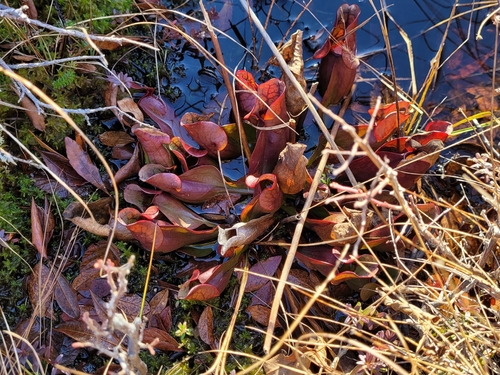
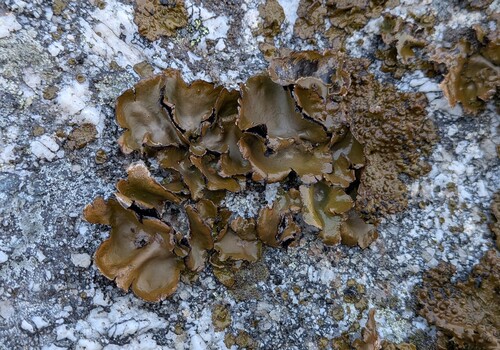
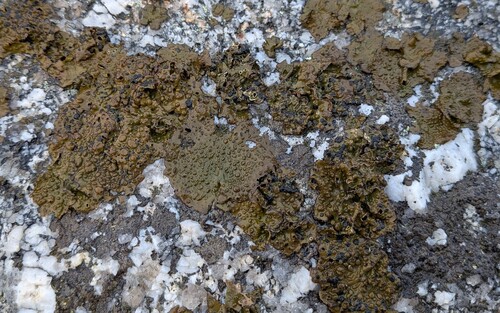
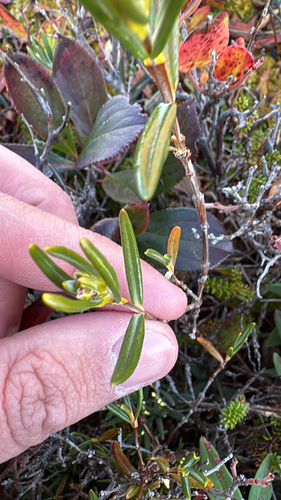
Live wildlife and plant observations logged along this route:
Spot something interesting while out on the trail?
View & Log Sightings
Fall Foliage & Cooler Days
Gear up for shorter daylight, crisp coastal winds, and muddy paths while supporting local.
 Browse Fall Essentials Verified Trail Maps • Local Guidebooks • Field Gear ↓
Featured Products
Purchases help fund these guides